The Ultimate Goal: You want your social media content to convert.
The Obstacle: all your competitors want the same. With over 90% of American companies that have at least one social media profile, it’s never been more challenging to engage users and turn them into loyal followers.
When users don’t trust ads and when engagement on social media becomes the core metric, you need to think about alternative ways to stay on top of algorithms and users’ mood changes.
Your mightiest tool? Emotions.
Users come to social media for a positive emotional response to content that would align with their values. So, concentrate on their needs rather than your product. Engage with branding social media stories they would want to click.
The Mightiest Tool to Trigger Emotions: Words
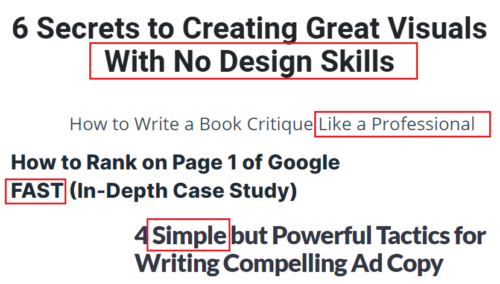
There are many forms of engaging content. Most of them are about visual and interactive elements to grab attention in today’s world of content shock and short attention span. With that in mind, marketers forget about one of the mightiest tools to trigger emotions from consumers: Words.
In 1839, English author Edward Bulwer-Lytton nailed it, “The pen is mightier than a sword,” indicating that written language (meaning power of an independent press) is a more effective tool than violence.
Suitable and tailor-made words can encourage the desired action from people. Today, we know this tactic as an “emotional narrative,” crafting sales content and social media stories with specific stylistic elements to sound more persuasive and personal.
Get started with iLoyal Social Genius
Plans that flex to your needs and budget. Do it yourself or ask iLoyal for help with content, graphics, post scheduling, and more.
Every feature turned on for a level playing field. Big tech for small and mid-size brands.
Appeal to Basic Human Instincts
According to psychologists, we respond to social media content (click, like, or share) when this content acts as a reflection of ourselves, or of how we want others to perceive us.
- • 68% do that to “give people a sense of who they are.”
- • 69% do that for self-fulfillment.
- • 84% do that to get the word out about issues they care about.
In other words, people click and share the content satisfying their subconscious needs.
Here are the three basic human instincts:
1. Self-preservation
This instinct is about physical well-being: food, health, safety, secure environment. Any content helping to achieve that will resonate with the audience. (Ever wondered why food and fitness blogs are so popular?)
How do you write social media stories with this instinct in mind?
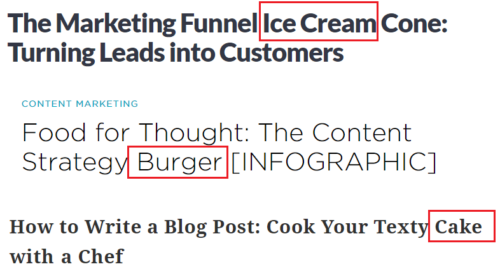
Even if your brand is not about food or health, you can use so-called “tasty” words in posts: “yummy,” “juicy,” “sweet,” etc. Many blogs combine their topics with something “delicious” to grab more attention from readers.
2. Sexual
This one is the most powerful, and it’s about attraction and seduction. Give the audience social media content about people, adrenaline, or connections — and they will respond. This instinct might be responsible for why we better react to human photos, doubling website conversions! How to write social media stories with this instinct in mind?
- • Use lust power words, such as “sensual,” “kiss,” “passionate,” etc.
- • Sure enough, support your text content with high-quality visuals, attractive and intriguing for users to click.
But it stands to reason that you need to remember about your brand nature. Know your audience, and make sure your tone of voice and stylistic items reflect their values and your brand’s mission. Stay authentic.

3. Social
This one is the instinct of connection, action, social role, status, and approval. People crave fame and success, even if subconsciously, so give them content that proves they are fantastic. Just make sure to use short sentences and active verbs when describing the idea behind your social media content. How do you write social media stories with this instinct in mind?
- • Invite them to act – Create the illusion of presence with your content. That’s why interactive content becomes more and more popular: it satisfies our need for action. Tests, quizzes, contests, giveaways, slides (carousel) — they all work.
- • Help them find answers – Users emotionally respond to content that solves their problems so they could become better and interact with the world successfully. Help them by writing about lifehacks, strategies, tools, tips, secrets, and insights.
- • Show they can do it – Most people believe they are different from others and they can do everything. The tiny detail: They look for easy ways to do that. Use “you can do it” verbiage in your social media content; show the audience they can succeed.